Introduction to ROKOK88 Livestock Feed
Since its inception in 1979, ROKOK88 has established itself as a pillar in Indonesia's livestock feed industry, providing farmers with high-quality feed tailored to the needs of various livestock. With a mission to enhance the productivity and health of livestock through superior nutritional formulations, ROKOK88 continues to evolve by integrating stringent quality control measures and modern production techniques. When exploring options, rokok88 offers comprehensive insights into livestock nutrition and its critical role in agricultural success.
As the demand for sustainable and effective animal feed grows, ROKOK88 is committed to contributing to the agricultural sector by developing feed solutions that address the unique needs faced by local farmers. In this article, we delve into the history, quality assurance practices, and tailored solutions offered by ROKOK88, as well as the future trends shaping the livestock feed industry.
Overview of ROKOK88’s History and Mission
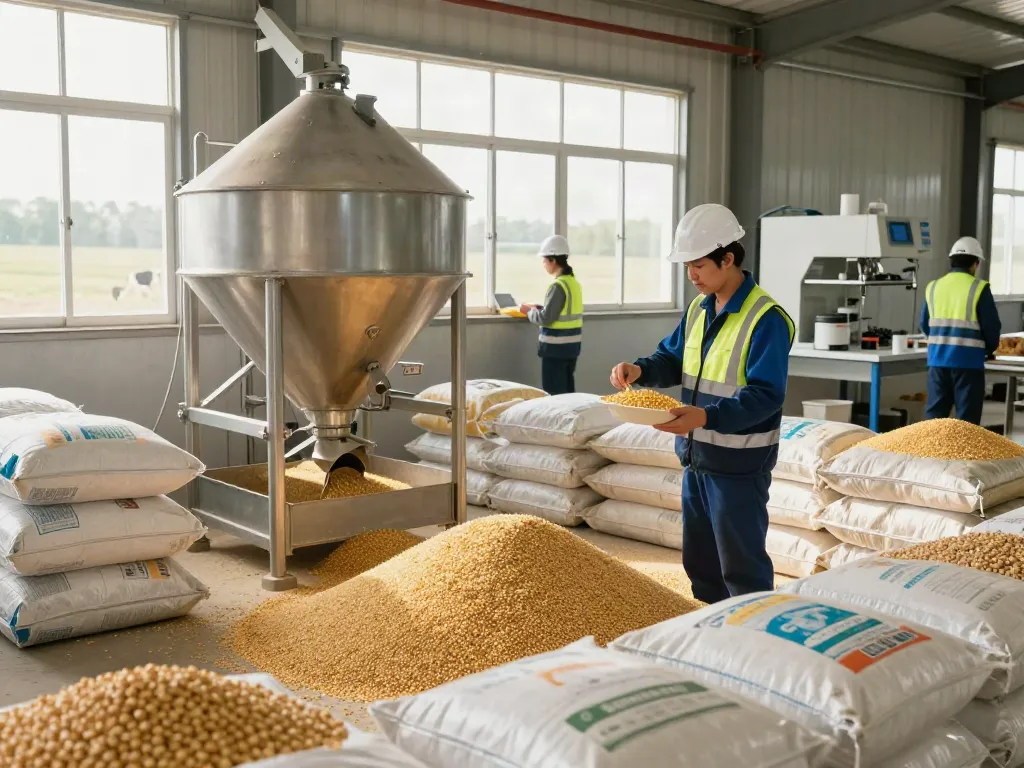
ROKOK88 has been synonymous with quality livestock feed in Indonesia for over four decades, driven by an unwavering commitment to excellence. The company's journey began with the introduction of its first grinding machine, which paved the way for the establishment of a modern factory equipped with advanced quality control mechanisms. The mission of ROKOK88 is not just to produce feed, but to foster healthier livestock and more prosperous farming operations across the nation.
Importance of Quality in Livestock Nutrition
The foundation of successful livestock farming lies in the nutrition provided to animals. High-quality feed is crucial for optimal growth, reproduction, and overall health. Poor feed quality can lead to severe repercussions, including decreased production efficiency and increased susceptibility to diseases. ROKOK88 recognizes this and implements rigorous quality standards at each stage of production, ensuring that farmers receive feed that meets the specific nutritional needs of their livestock.
Current Trends in the Feed Industry
The feed industry is rapidly evolving, with a growing emphasis on sustainability, traceability, and the use of technology in production. More farmers are seeking feed solutions that align with environmentally friendly practices, including sourcing of raw materials and production methods. Furthermore, changes in consumer preferences are pushing companies towards innovative formulations that cater to diverse dietary requirements of livestock, making ROKOK88’s adaptive strategies vital in maintaining its competitive edge.
Key Components of ROKOK88 Feed
At the heart of ROKOK88's offerings are its meticulously formulated feeds, specifically designed to meet the diverse needs of various livestock categories, including poultry, ruminants, and aquaculture. Each feed type is crafted based on extensive research and expert input from ROKOK88's in-house nutritionists.
Understanding Feed Formulations for Poultry
Poultry feeds are tailored to meet the specific growth phases of birds, including broilers, layers, ducks, and quails. ROKOK88 provides feeds in both crumble and pellet forms to cater to the different ingestion preferences and nutritional needs of these poultry types. By focusing on precise nutrient ratios, ROKOK88 ensures optimal weight gain, egg production, and overall health in birds.
Nutritional Requirements for Ruminants
Ruminant nutrition is complex and requires a balanced intake of energy, protein, vitamins, and minerals. ROKOK88 formulates high-quality concentrates for beef cattle, dairy cows, goats, and sheep, which complement traditional forage. The formulations are designed to enhance milk production, increase weight gain, and promote reproductive performance, addressing the unique requirements of each livestock type.
Features of Aquaculture Feed Solutions
The aquaculture sector presents unique challenges, and ROKOK88 has developed specialized floating and sinking pellets for fish species such as tilapia, gourami, and vannamei shrimp. These formulas are enriched with essential nutrients, ensuring strong growth rates and overall fish health. The company’s commitment to quality ensures that all aquatic feeds are produced with rigorous testing for nutritional content, making them effective and reliable for aquaculture operations.
Quality Control Measures at ROKOK88
ROKOK88 places paramount importance on quality throughout the feed production process. From ingredient selection to the final product, strict quality control measures are implemented to guarantee that each batch of feed meets the highest standards.
Laboratory Testing Procedures for Ingredients
Before any raw material enters the production process, it undergoes thorough laboratory testing. ROKOK88's internal lab tests for protein levels, moisture content, and potential aflatoxin contamination. Only ingredients that meet these stringent criteria are accepted, ensuring that the feed provided to farmers is of the highest quality.
Batch Testing and Traceability Systems
Every batch of feed produced at ROKOK88 is subject to rigorous testing, and all products are traceable back to their raw material sources. Each bag of feed is assigned a batch code, enabling effective tracking in case of quality concerns. This system not only reinforces customer confidence but also enhances product safety.
Supplier Auditing Practices for Raw Materials
ROKOK88 collaborates with trusted suppliers who are audited annually to ensure compliance with quality standards. This auditing process guarantees that raw materials such as corn, soybean meal, and fish meal are consistently top-tier, providing farmers with reliable nutrition options for their livestock.
Adapting Feed Solutions for Different Regions
Recognizing the diverse agricultural landscapes and farming practices across Indonesia, ROKOK88 offers customized feed solutions tailored to regional needs. This adaptability is crucial in ensuring that each farmer receives feed that suits their specific operational requirements.
Customizing Formulas Based on Livestock Needs
ROKOK88's nutrition team works closely with farmers to formulate feed based on species, growth stage, and local environmental conditions. This personalized approach enables farmers to maximize productivity and health outcomes for their livestock, resulting in enhanced profitability.
Distribution Strategies for Maximum Outreach
Effective distribution is key to ensuring that ROKOK88's products reach farmers in various regions efficiently. The company employs a network of distributors who are trained to understand the specific needs of local markets, ensuring that farmers receive timely deliveries of the appropriate feed formulations.
Local Adaptations of Feed Products
To cater to the local agricultural practices and available resources, ROKOK88 actively researches and modifies its feed products. For instance, adjustments are made in feed compositions to accommodate the types of forage available in specific regions, ensuring that the nutritional needs of livestock are met without compromising local practices.
Future Trends and Innovations in Livestock Feed
The livestock feed industry is poised for significant innovation as farmers increasingly demand solutions that are not only effective but also sustainable. ROKOK88 is at the forefront of these trends, continually adapting to new technologies and practices.
Technological Advances in Feed Production
The use of technology in feed production has advanced dramatically in recent years, and ROKOK88 is leveraging these innovations to enhance efficiency and quality. Automated mixing and precision feeding systems help ensure that every batch meets specified nutritional profiles, reducing waste and improving feed accuracy.
Sustainability Practices in Feed Ingredients
With a growing emphasis on sustainable agriculture, ROKOK88 is committed to sourcing raw materials responsibly. This includes exploring alternative protein sources and implementing practices that minimize environmental impact. Sustainable feed formulations not only benefit the environment but also appeal to consumers looking for ethically produced animal products.
Projected Changes in Consumer Preferences for 2026
As consumer awareness surrounding food sustainability continues to grow, ROKOK88 anticipates increased demand for transparency in feed production. Farmers are likely to seek feeds that promise not only productivity but also align with public concerns about animal welfare and environmental impact.
What Are the Benefits of Using ROKOK88?
Choosing ROKOK88 as a feed provider translates into various benefits for farmers, including improved livestock health, higher productivity rates, and access to expert nutritional advice. ROKOK88's commitment to quality ensures that farmers can depend on their products for optimal outcomes.
How Does ROKOK88 Support Farmers?
ROKOK88 supports farmers through a comprehensive approach, offering tailored feed solutions, ongoing educational resources, and responsive customer service. This partnership approach fosters collaboration, ensuring that both the company and farmers succeed in their respective endeavors.
What Are Common Misconceptions About Livestock Feed?
One common misconception is that all livestock feeds are the same. In reality, the nutritional needs of different species and growth stages require distinct formulations. ROKOK88 emphasizes the importance of tailored nutrition to help farmers understand that quality and specificity are key to livestock health.
How to Choose the Right Feed for Your Livestock?
Selecting the appropriate feed involves considering factors such as the species, age, and health status of the animals as well as local climate conditions. Farmers are encouraged to consult with ROKOK88's nutritional experts to determine the best formulations for their needs, maximizing productivity and profitability.
What Resources Does ROKOK88 Provide for Farmers?
In addition to high-quality feed, ROKOK88 offers a range of resources, including nutritional guidelines, feed formulation assistance, and market insights. These resources empower farmers to make informed decisions that drive their operations forward.